
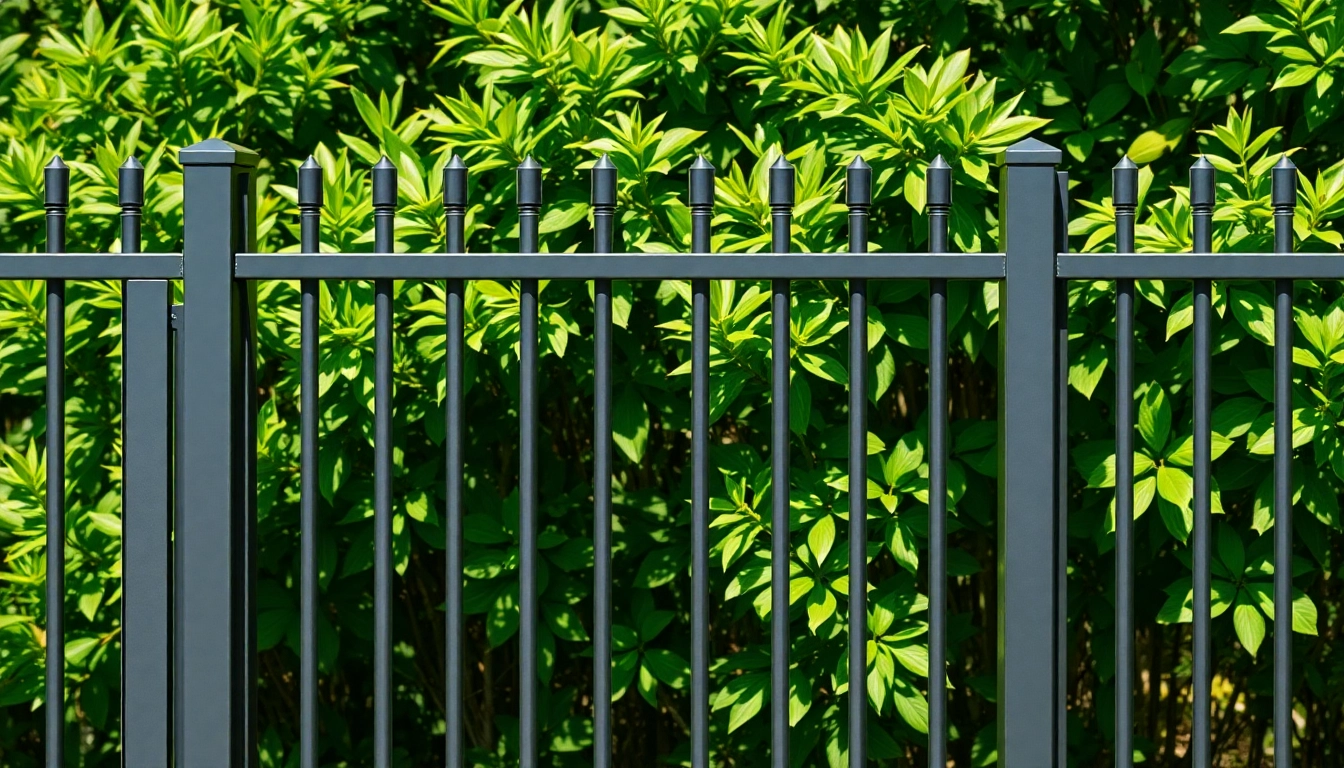
Understanding Metal Fence Panels
Metal fence panels have become increasingly popular in recent years, owing to their durability, aesthetic appeal, and versatility. As property owners look for effective ways to define their spaces, secure their homes, and enhance the overall curb appeal, metal fencing offers numerous advantages. In this article, we will explore the various aspects of metal fence panels, from types and benefits to installation and design ideas. For more details on options available, you can visit www.metalfencepanels.co.uk.
Types of Metal Used for Fencing
Metal fence panels are constructed from a variety of materials, each offering distinct characteristics and benefits. The most common types include:
- Steel: Known for its outstanding strength and durability, steel is typically used where high security is a priority. Galvanized steel panels are resistant to rust, making them excellent for outdoor use.
- Aluminum: Lightweight and resistant to corrosion, aluminum is an ideal choice for decorative fences that require minimal maintenance. It can be easily coated or colored for enhanced visual appeal.
- Wrought Iron: Often used in traditional and elegant designs, wrought iron is incredibly strong and offers a classic look. However, it may require more maintenance due to susceptibility to rust if not properly coated.
- Chain Link: Cost-effective and versatile, chain link fencing is commonly used for security and commercial applications. When coated in vinyl or galvanized, it enhances longevity and reduces maintenance needs.
Benefits of Metal Fence Panels
Investing in metal fence panels comes with numerous advantages that can enhance property value and usability:
- Durability: Metal fences resist harsh weather conditions, pests, and decay, ensuring a long lifespan even under extreme stress.
- Low Maintenance: Unlike wood fences that may require annual staining or painting, most metal fences require minimal upkeep, usually just an occasional wash or inspection.
- Security: Their strength and height can deter trespassers, making metal fencing a popular choice for securing residential and commercial properties.
- Value Addition: Quality metal fencing can enhance curb appeal and increase property value, particularly in real estate markets where aesthetics are important.
- Environmentally Friendly: Metal is recyclable, meaning that choosing metal fence panels can contribute to sustainable practices.
Common Applications of Metal Fencing
Metal fence panels have a wide range of applications across various sectors:
- Residential Properties: Homeowners appreciate metal fences for their aesthetic appeal and security, often using them for front yards or backyards.
- Commercial Properties: Businesses utilize metal fencing for security and privacy, protecting assets while ensuring a professional look.
- Industrial Sites: Heavy-duty metal fences are commonly seen in industrial areas to secure equipment and maintain safety regulations.
- Agricultural Use: Farmers use metal fencing to contain livestock and protect crops from wildlife, benefiting from its longevity and effectiveness in rural settings.
Factors to Consider When Selecting Metal Fence Panels
Height and Design Options
Metal fence panels come in a variety of heights and designs, which can affect both security and aesthetic appeal. When deciding on the height:
- Security Needs: Taller fences generally offer better security but may not always fit with community regulations or aesthetics.
- Design Preferences: Consideration of the architectural style of your home or business can guide your choice. Contemporary properties may benefit from sleek, minimalistic designs, while traditional styles might complement ornate patterns.
Durability and Maintenance Requirements
Different metal types have varying levels of durability and maintenance needs. For instance:
- Steel: Offers exceptional durability but may require protective coatings or paint to prevent rust.
- Aluminum: Generally requires less maintenance and naturally resistant to corrosion, making it ideal for coastal areas.
- Wrought Iron:While it is very strong, it can be prone to rust; hence, regular maintenance with special coatings is necessary.
Cost Considerations
The cost of metal fence panels can vary significantly based on materials, height, design, and installation costs. Always calculate:
- Initial Costs: This includes purchasing the panels and any additional materials needed for installation.
- Long-term Maintenance Costs: Consider how often repairs or updates may be required based on the material choice.
- Installation Fees: Hiring professionals can incur significant costs compared to DIY installation, but it may lead to a better-finished result.
Installation Process for Metal Fence Panels
Required Tools and Materials
Embarking on the installation of metal fence panels requires specific tools and materials to ensure success. Commonly needed items include:
- Metal fence panels
- Gate(s)
- Concrete mix (for securing posts)
- Post anchors or mounts
- Measuring tape
- Level
- Power drill (with appropriate drill bits)
- Post hole digger
- Protective gear (gloves, goggles)
Step-by-Step Installation Guide
Follow these key steps to install your metal fence panels effectively:
- Planning: Determine the layout by marking where you want the fence. Check local regulations for height restrictions.
- Measure and Dig Holes: Space your posts according to the panel length and dig holes for posts, ensuring they are deep enough for stability.
- Set the Posts: Place your posts in their respective holes and fill them with concrete to secure them in place. Use a level to ensure upright positioning.
- Attach Panels: Once the posts are set and concrete has cured, begin attaching panels to the posts securely using the appropriate hardware.
- Add Gates: If incorporating gates, make sure they are aligned properly and test the alignment before securing them permanently.
- Finishing Touches: Inspect your installation, reinforcing any loose areas, and clean any residue left over from the installation process.
Tips for Ensuring a Strong Installation
For a successful metal fence installation, consider these tips:
- Ensure that posts are set at least one-third of their height in the ground for maximum stability.
- Use a level frequently during installation to avoid misalignment.
- Select quality hardware for securing panels to ensure they withstand environmental factors.
- Consult installation guides or hire a professional contractor if unsure about any installation steps.
Enhancing Curb Appeal with Metal Fence Panels
Design Ideas for Residential Properties
Metal fence panels can enhance the visual appeal of any residential property. Consider these design ideas:
- Picket Styles: Ornamental picket fences made from aluminum provide a chic vintage feel.
- Horizontal Slats: Sleek horizontal designs create a modern look, perfect for contemporary homes.
- Color Coatings: Using various coatings can allow homeowners to match the fence with the home’s paint color or landscaping.
Combining Metal with Other Materials
Mixing metal materials with wood or vinyl can introduce a unique, custom look to your property:
- Wood Accents: Wooden elements can soften the harsh lines of metal fencing, creating a more inviting appearance.
- Landscaping Integration: Incorporating climbing plants or shrubs near metal fences can enhance curb appeal.
Trending Styles in Metal Fencing
Stay updated on current trends in metal fencing:
- Minimalist Aesthetic: Clean lines and simple designs are trending, appealing to the modern homeowner.
- Eco-Friendly Options: Increasing demand for sustainable materials and finishes that align with environmentally-friendly practices.
- Smart Fencing: Incorporating smart technology for monitoring and security features is on the rise.
Frequently Asked Questions About Metal Fence Panels
What are the main benefits of metal fence panels?
Metal fence panels offer durability, low maintenance requirements, security, enhanced property value, and some are environmentally friendly due to their recyclability.
How long do metal fence panels last?
Depending on the material, metal fence panels can last anywhere from 15 to 50 years, with proper maintenance and care significantly extending their lifespan.
Can I install metal fence panels myself?
Yes, while professional installation is recommended for complex designs, many homeowners successfully install metal fence panels themselves with the right tools and guidance.
What maintenance do metal fence panels require?
Maintenance entails occasional cleaning, yearly inspections for damage, and touch-up painting or rust-proofing where necessary to ensure longevity.
Are metal fence panels suitable for all climates?
Yes, metal fence panels are versatile; however, materials like aluminum perform better in humid conditions, while galvanized steel is ideal for fluctuating temperatures.


