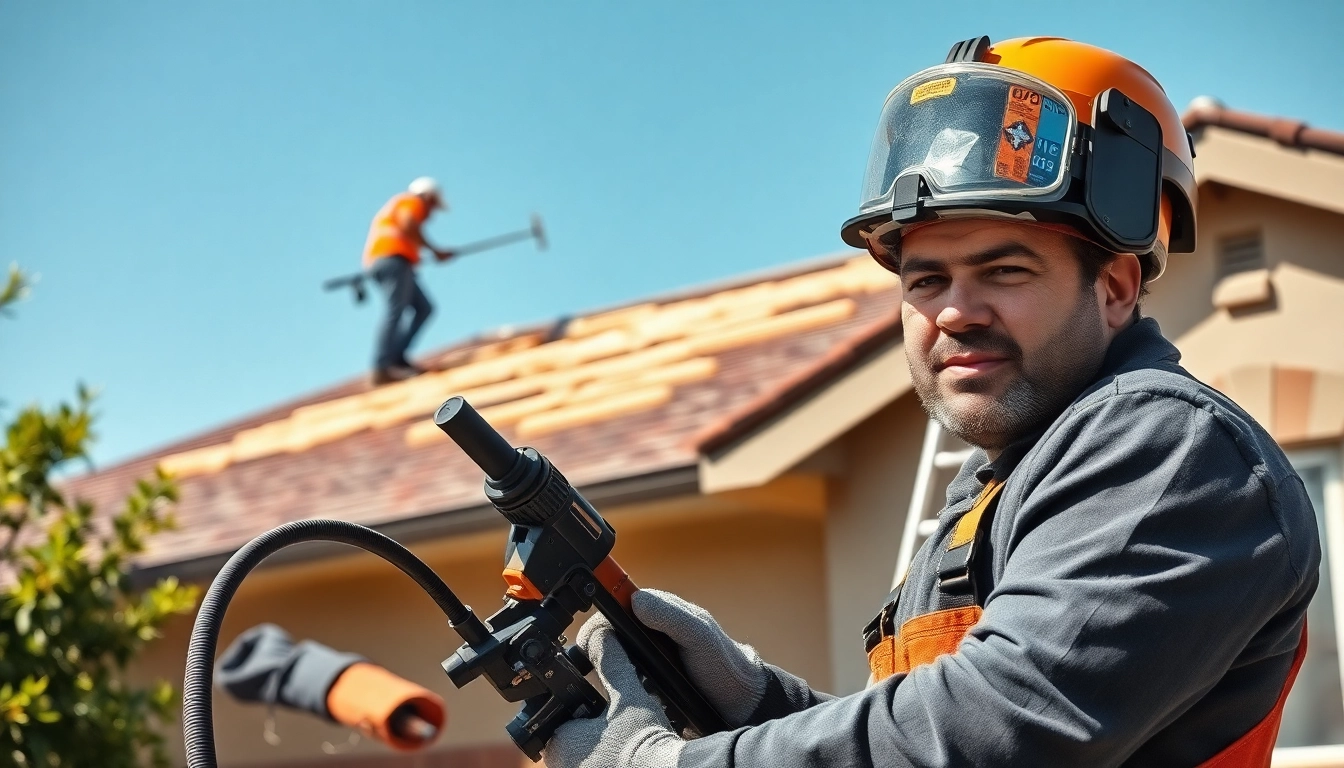
What is Spray Foam Insulation Removal?
Defining the Removal Process
Spray foam insulation removal is often a necessary yet complex task, typically undertaken when the insulation is no longer effective, poses health risks, or requires refurbishment. The removal process involves several stages, including the assessment of the existing insulation, preparation of the workspace, actual removal using specialized tools, and disposal of the material according to local regulations. Employing professional services is highly recommended, as they possess the knowledge and equipment to ensure a safe and efficient job.
Common Reasons for Removal
There are several reasons homeowners and businesses might consider spray foam insulation removal. Among the most common are:
- Deterioration: Over time, spray foam can degrade, losing its insulating properties.
- Health Concerns: Some types of foam may emit harmful gases or suffer from mold growth.
- Renovation Needs: Structural changes or renovations often require the insulation to be removed.
- Improper Installation: If spray foam is incorrectly applied, it may create air leaks or structural damage.
Potential Challenges in the Process
Removing spray foam insulation can come with its share of challenges. These may include difficulty in accessing the foam, potential damage to surrounding structures, and the need for specialized tools. Moreover, the task can involve hazardous materials, requiring safety precautions to protect against exposure to dust and chemicals. Proper assessment and execution are critical to avoiding collateral damage to the property.
Factors Affecting Spray Foam Insulation Removal Cost
Types of Spray Foam Insulation
The type of spray foam insulation plays a significant role in the removal cost. There are two main kinds: open-cell and closed-cell foam. Open-cell foam is generally easier to remove but may require more material to be extracted due to its lower density. Conversely, closed-cell foam, being denser and more rigid, might necessitate more rigorous removal efforts, subsequently raising labor costs.
Extent of Removal Required
The total area that requires insulation removal will substantially affect costs. A larger space or more intricate installation that necessitates more detailed removal procedures will naturally entail higher labor and disposal fees. Additionally, if the foam only partially failed, a targeted removal could reduce costs, whereas complete abatement will increase them.
Professional vs. DIY Costs
Choosing between professional removal services and a DIY approach is pivotal. While hiring professionals may seem more expensive upfront, their lack of errors and faster completion time can lead to cost savings overall. On the other hand, DIY removal may incur expenses for equipment rentals, protective gear, and disposal fees, not to mention the potential for damage and the associated costs if anything goes awry. Ultimately, the decision hinges on the homeowner’s skill level and confidence in handling such tasks. For accurate financial planning, evaluating spray foam insulation removal cost is crucial.
Average Costs of Spray Foam Insulation Removal
Regional Price Variations
Just like any service, the costs associated with spray foam insulation removal can vary significantly depending on geographic location. In urban areas, where the cost of labor and materials tends to be higher, homeowners might find themselves paying a premium compared to rural areas. It’s advisable to assess local trends and seek multiple estimates to gauge where your specific job falls within the average market rates.
How to Get Accurate Estimates
To obtain an accurate estimate for spray foam insulation removal, homeowners should engage in thorough research. This includes contacting multiple contractors, asking for detailed quotes that break down labor, materials, and any additional costs. Be sure to inquire about the contractor’s experience and seek references to ensure quality work. Photographic assessments can also aid in clarity when evaluating job complexity.
Hidden Costs to Watch Out For
Often, homeowners overlook hidden costs associated with insulation removal. These might include the need for additional repairs or cleaning after the removal process, disposal fees particularly for hazardous materials, and possible environmental assessments if the foam has degraded. Being aware of such potential charges upfront can help mitigate budget overruns and ensure a smoother project completion.
Steps to Minimize Spray Foam Insulation Removal Cost
Planning and Assessment Tips
Effective planning can be your best ally in minimizing costs. Conduct a comprehensive assessment of your current insulation condition and define the scope of work early on. Utilizing professional expertise to evaluate the amount of foam requiring removal can both save time and ensure compliance with safety regulations, ultimately lowering costs.
Choosing the Right Professionals
When hiring professionals, consider their qualifications and experience level specifically with spray foam removal. It’s advisable to check reviews, ask for referrals, and confirm that they carry the necessary insurance and licensing. A qualified contractor not only helps reduce potential mistakes but can also offer guidance on minimizing overall costs through efficient techniques.
Budgeting for Unexpected Expenses
Setting aside a contingency budget for unexpected expenses can be instrumental in avoiding financial stress. In any re-insulation project, unforeseen issues like water damage or structural repairs occasionally arise, which can significantly augment initial estimates. Planning for such scenarios by budgeting an extra 10-20% of your total estimate can safeguard against basic unpredictabilities.
Frequently Asked Questions About Spray Foam Insulation Removal
What is the average cost for spray foam insulation removal?
The average cost varies widely based on factors like the type and extent of insulation. Generally, homeowners can expect costs ranging from a few hundred to several thousand dollars depending on specific conditions.
Can I remove spray foam insulation myself?
While DIY removal is possible, it’s often not recommended due to safety hazards and potential structural damage. Professional removal ensures proper techniques and equipment are utilized.
How long does the removal process take?
The duration of spray foam removal varies by the size of the area and complexity of the setup, typically ranging from a few hours to several days for complete jobs.
Are there any risks associated with improper removal?
Yes, improper spray foam removal can lead to serious issues, including structural damage, exposure to harmful chemicals, and insufficient insulation if not done correctly.
What should I look for in a contractor?
Seek contractors with proven experience in spray foam insulation removal, valid licensing, and insurance. Checking references and reviews can provide insights into their service quality and reliability.