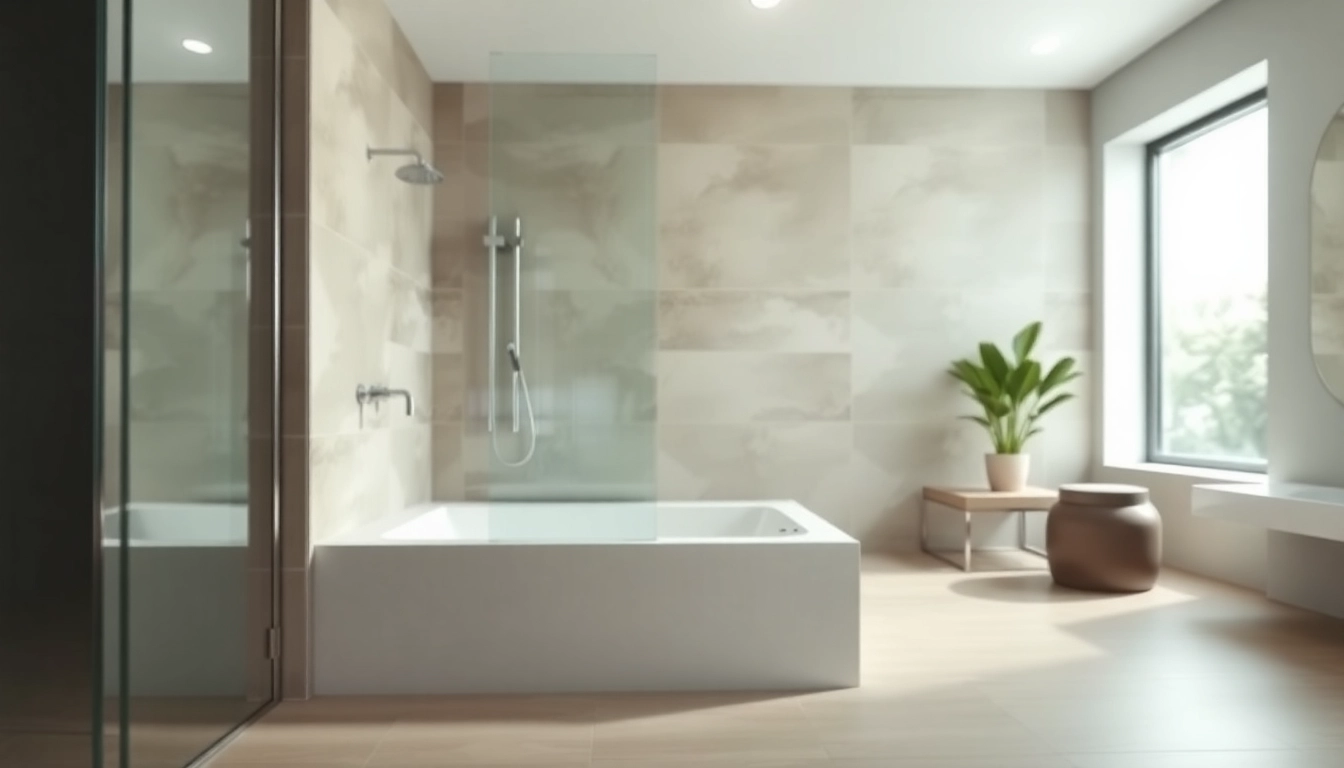
Understanding Lvt Flooring
What is Lvt Flooring?
LVT flooring, or Luxury Vinyl Tile flooring, is a popular flooring solution that combines the aesthetic appeal of natural materials, like wood and stone, with the durability and practicality of vinyl. Made from multiple layers of PVC (polyvinyl chloride) material, LVT offers a versatile, stylish, and cost-effective option for both residential and commercial spaces. With advancements in technology, it is now possible to achieve stunning finishes that mimic the look of genuine hardwood or ceramic tiles, providing an attractive and functional surface for any environment.
Key Features and Benefits
One of the primary benefits of lvt flooring is its resilience. It is designed to withstand heavy foot traffic and can resist scratches, dents, and stains, making it an excellent choice for busy households or commercial settings. Additionally, LVT is water-resistant, allowing it to be installed in areas prone to moisture, like kitchens and bathrooms. Other key features include:
- Comfort: LVT feels soft underfoot and is warmer than traditional tile or stone.
- Easy Maintenance: Regular sweeping and occasional mopping keep LVT looking new.
- Sound Absorption: The layered construction helps in reducing noise, making it ideal for multi-story buildings.
- Design Variety: Available in a vast array of colors, patterns, and textures, LVT can complement any design style.
Types of Lvt Flooring
LVT flooring comes in several forms, including:
- Loose Lay: This type is designed for easy installation without adhesive, making it an excellent option for DIY enthusiasts.
- Glue Down: Ideal for high-traffic areas, this type is glued down for extra stability.
- Interlocking Tiles: Simple to install, these tiles snap together, making them popular for home projects.
- Sheet Vinyl: This continuous roll flooring offers a seamless look and is often used in commercial settings.
Installing Lvt Flooring
Preparation and Planning
Before diving into installation, careful planning is crucial for achieving the best results. Here are some essential steps:
- Choose the Right Type: Determine the best LVT type for your space based on foot traffic and aesthetic preferences.
- Acclimate the Material: Allow the LVT to acclimate in the installation area for up to 48 hours to adjust to the room’s temperature and humidity.
- Prepare the Subfloor: Ensure the subfloor is clean, dry, and level. Repair any imperfections to prevent issues later on.
Step-by-Step Installation Guide
Follow these steps for a seamless installation process:
- Measure the Area: Accurately measure your space and calculate the amount of LVT needed, factoring in waste.
- Lay Out the Tiles: Before adhering or locking tiles, lay them out to determine the best pattern and fit.
- Cut Tiles as Needed: Use a utility knife for fitting tiles around edges and obstacles.
- Secure the Installation: Depending on your LVT type, either glue down, interlock, or simply lay the tiles in place.
- Finish Trimming: Install baseboards or trim to cover expansion gaps and provide a polished look.
Common Mistakes to Avoid
To ensure a successful installation, be wary of these common pitfalls:
- Skipping Preparation: Never rush the preparation stage; neglecting this can lead to poor adhesion and decreased durability.
- Ignoring Instructions: Each product may have unique installation guidelines; always adhere to manufacturer instructions.
- Underestimating Expansion Gaps: Insufficient space for expansion can cause tiles to buckle; leave the recommended gap around walls.
Maintaining Lvt Flooring
Daily Care Tips
Regular maintenance is essential to keep your LVT flooring looking great. Here are some daily care tips:
- Sweep or Vacuum Regularly: Remove dirt and debris to prevent scratching.
- Use Gentle Solutions: Clean with a damp cloth and a mild cleaner designed for vinyl.
- Protect High-Traffic Areas: Use rugs or mats in entryways to catch dirt and moisture from shoes.
Cleaning Products to Use
When it comes to cleaning LVT flooring, the right products can make all the difference:
- Mild Detergents: Use pH-neutral solutions to avoid damaging the floor’s finish.
- No Harsh Chemicals: Avoid abrasive cleaners, wax, or solvents that can harm the surface.
- Specialty Vinyl Cleaners: Consider using cleaners formulated specifically for vinyl flooring.
Repairing Damages
Even with proper care, LVT flooring may still get scratched or scuffed. Here’s how to handle minor damages:
- Minor Scratches: Use a vinyl floor repair kit to fill and color match scratches.
- Deep Scratches: For deeper damages, replacing the affected tile may be required. Carefully cut out the damaged tile and install a new one.
- Moisture Issues: If moisture seeps underneath, it can cause bubbles; lift the affected area, dry out, and reapply.
Design Inspiration Using Lvt Flooring
Color and Design Trends
The versatility of LVT flooring makes it suitable for various design themes. Popular trends include:
- Natural Looks: Opt for designs that replicate the look of oak, walnut, or reclaimed wood.
- Bold Colors: Bright or unconventional colors can add personality to a space.
- Textured Finishes: Incorporating textures helps mimic real surfaces, adding depth to rooms.
Combining Styles
Mixing different flooring styles can create unique effects. Consider these combinations:
- Wood and Stone Effects: Using LVT in areas where traditional materials are impractical.
- Layering with Rugs: Area rugs can soften a space and complement the LVT.
- Transitional Spaces: Use LVT to transition between rooms with different designs while maintaining cohesion.
Showcasing Lvt Flooring in Different Rooms
Different rooms can showcase LVT flooring in various ways:
- Living Rooms: Create a cozy atmosphere with wood-look LVT accompanied by stylish furniture.
- Kitchens: Water-resistant LVT offers practicality while maintaining a chic look, especially in the way of tile patterns.
- Bathrooms: LVT’s moisture resistance is perfect for a spa-like bathroom ambiance.
FAQs About Lvt Flooring
1. How durable is Lvt flooring?
LVT flooring is highly durable, resisting scratches, stains, and dents, making it suitable for high-traffic areas.
2. Can I install lvt flooring myself?
Yes, LVT flooring offers various installation methods, including DIY-friendly options like loose lay and interlocking tiles.
3. Is lvt flooring waterproof?
Most LVT flooring is water-resistant, making it suitable for kitchens and bathrooms, but total waterproofing depends on the specific product.
4. What is the average cost of lvt flooring?
The cost can vary widely based on quality and type, generally ranging from $2 to $7 per square foot, excluding installation.
5. How can I enhance the lifespan of my lvt flooring?
Regular maintenance, proper cleaning, and using protective padding under furniture can significantly enhance the lifespan of LVT flooring.