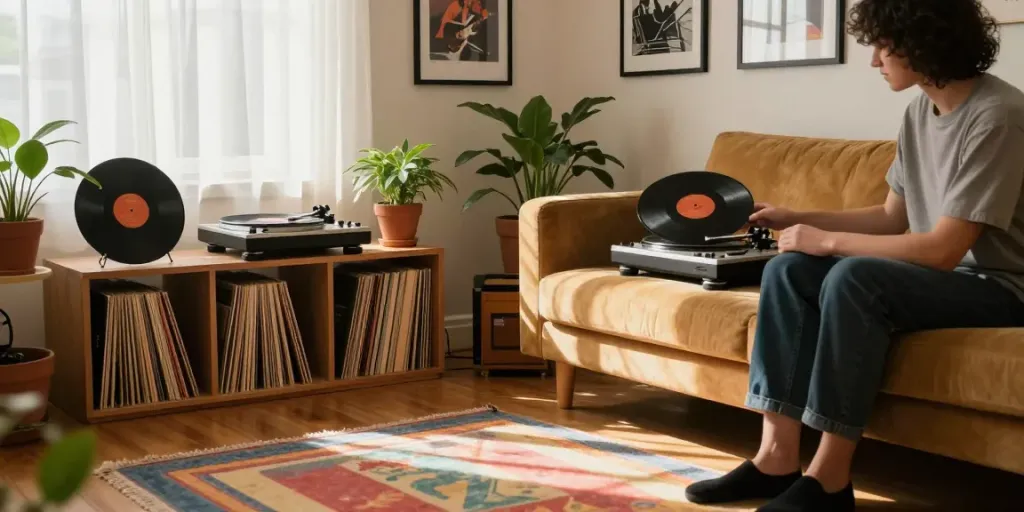
Understanding the Original Source in Vinyl Records
Vinyl records have seen a resurgence in popularity, attracting a new generation of audiophiles and casual listeners alike. Central to this revival is the concept of the "original source," which plays a vital role in the quality of sound produced by vinyl records. In this article, we will explore the nuances of the original source, why it's significant in vinyl production, and how it has transformed the listening experience for enthusiasts. For those seeking comprehensive insights into vinyl and its evolution, the original source offers invaluable resources.
Defining the Concept of Original Source
The term "original source" refers to the unaltered master recordings from which vinyl records are made. This means that the audio is cut directly from the original tapes rather than through multiple generations of copies, which can degrade the sound quality. By maintaining the original source, manufacturers ensure that listeners experience the music as it was intended by the artists, preserving the nuances and depth of sound that characterizes high-quality recordings.
The Importance of Pure Analog Sound
Pure analog sound is considered superior by many audiophiles for its warmth and richness. Unlike digital recordings that often compress audio data, analog captures sound waves in their natural form. This fidelity to the original sound is what makes records pressed from the original source particularly appealing. Audiophiles assert that listening to vinyl from original sources can provide a more emotionally engaging experience, where each note resonates with authenticity.
Key Features of Quality Vinyl Records
- Thickness: Higher quality records are often made from thicker vinyl, typically 180g, which contributes to better sound quality.
- Pressing Technique: Records that are cut from original sources using advanced techniques, such as direct-to-disc, offer superior clarity.
- Mastering Process: The best vinyl records undergo meticulous mastering to enhance sound attributes without distorting the music.
- Packaging: Often, high-quality vinyl comes with deluxe packaging that includes high-resolution artwork and informative inserts.
Historical Insight into Vinyl Record Production
Evolution of Vinyl Records over the Decades
Vinyl records have a storied history that dates back to the late 19th century. Initially, records were made from shellac, a material that was difficult to work with. The introduction of PVC in the 1940s revolutionized the industry, allowing for lighter, more durable records. Over the decades, vinyl records have gone through numerous technological advancements, including improvements in sound fidelity and the introduction of high-definition vinyl.
Notable Innovations in Record Making
As technology has advanced, so too has the art of record making. Innovations such as the use of digital techniques to enhance analog processes and the employment of laser cutting technology have allowed manufacturers to preserve the original sound quality while meeting the demands of contemporary audiences. Moreover, the shift towards environmentally friendly materials and pressing techniques is becoming increasingly prominent in the industry.
How the Original Source Technique Changed the Industry
The rise of the original source technique has fundamentally altered how vinyl records are produced and perceived. By emphasizing the importance of cutting records directly from master tapes, record labels have begun to prioritize quality over quantity. This change promotes a more discerning audience that demands higher fidelity and authenticity from their listening experience.
Current Trends in Vinyl Record Collecting
Rising Popularity of Vinyl among Young Audiences
The resurgence of vinyl has been notably marked by its appeal to younger audiences, who are drawn to the tangible nature of records in an increasingly digital world. Many young listeners appreciate the nostalgic experience of playing a record, as well as the larger-than-life album artwork and the ritual of handling physical media. This cultural shift has also been fueled by social media platforms showcasing vinyl collections and the communal aspect of sharing music.
How to Identify High-Quality Records
When collecting vinyl, it's crucial to understand how to identify high-quality records. Here are several tips for collectors:
- Look for reissues that specify "from the original master tapes."
- Check for heavyweight vinyl—180g or more is typically a good sign.
- Seek out limited editions, as they are often produced with more attention to detail.
- Research record labels that are known for high-quality reissues, such as Deutsche Grammophon and others.
Common Misconceptions about Vinyl Collecting
Despite the growing interest in vinyl, several misconceptions persist. Some believe that all vinyl records inherently sound better than digital music, which is not necessarily true. The sound quality of vinyl can vary dramatically based on pressing quality and mastering techniques. Additionally, not all vintage vinyl is of high quality; many records were rushed during production and lack fidelity.
Best Practices for Listening to Vinyl Records
Optimal Setup for Home Listening
To truly enjoy the rich sound of vinyl, an optimal listening setup is essential. Key components include:
- Turntable: Invest in a quality turntable that minimizes vibrations and has adjustable speed settings.
- Speakers: Use high-fidelity speakers that can accurately reproduce sound without distortion.
- Amp and Preamp: A good amplifier and pre-amplifier can significantly enhance sound quality.
- Room Acoustics: Consider your room’s acoustics and make adjustments to reduce echo and improve sound consistency.
Maintenance Tips for Vinyl and Turntables
Caring for your vinyl records and turntable is crucial for maintaining sound quality. Regular cleaning of records using a carbon fiber brush can remove dust and debris. Additionally, ensure that your turntable’s needle is free from dirt to avoid damaging records. For turntable maintenance, periodically check the alignment and balance of the tonearm.
Caring for Your Vinyl Collection
Proper storage and handling are vital for preserving the integrity of your vinyl collection. Store records upright and away from direct sunlight to prevent warping. Use inner sleeves made from anti-static materials to reduce dust accumulation. If you frequently listen to certain albums, consider investing in high-quality outer sleeves for added protection.
The Future of the Original Source and Vinyl
Emerging Trends in Audiophile Culture
The audiophile community is evolving, with modern listeners increasingly interested in high-resolution audio formats and vinyl records sourced from original masters. The focus on sound quality is translating into a demand for innovative listening experiences, such as immersive sound systems that complement vinyl playback.
Predictions for Vinyl Record Retail in 2026
Looking ahead to 2026, the vinyl record market is expected to expand further, driven by a mix of nostalgia and new technology. Retailers are likely to see a surge in demand for limited-edition releases and unique packaging, as collectors seek to differentiate their collections. Furthermore, the rise of streaming services with accompanying vinyl subscriptions could create new opportunities for both consumers and record labels.
The Role of Technology in Vinyl Preservation
Advancements in technology will continue to play a pivotal role in the preservation and production of vinyl records. Techniques such as high-resolution digital remastering could be integrated with analog processes to further enhance sound quality. Additionally, the industry's shift toward sustainable practices may lead to the development of eco-friendly materials for record production.
Who is the original source owned by?
The original source refers to the master tapes held by record labels and studios, with owners such as Deutsche Grammophon and other prestigious labels ensuring the preservation of these invaluable recordings.
Where can I buy Deutsche Grammophon vinyl?
Deutsche Grammophon vinyl can be purchased directly from their official website, as well as through online retailers that specialize in high-quality recordings.
What is the meaning of original source?
The original source signifies the unaltered master recordings used to create sound recordings, emphasizing authenticity and fidelity in sound reproduction.
What is another word for "original source"?
Other terms for original source could include "master recording" or "authentic source," both highlighting the idea of unaltered, primary audio.
How is the original source vinyl different from others?
Original source vinyl differentiates itself by being pressed from the original master tapes without any digital alteration, ensuring that the sound quality is as close to the artist's intent as possible.