Understanding the Colorado School Shooting Crisis
The tragic incidents of school shootings have become a pressing concern for communities across the United States, with the Colorado School Shooting being a poignant example that underscores the urgent need for intervention and reform. Since the turn of the century, these acts of violence have reshaped the landscape of education and student safety, creating a ripple effect that impacts students, families, and educators alike. To truly comprehend the crisis, it is essential to explore the historical context, examine current statistics, and analyze the emotional and psychological toll on local communities.
Historical Context and Statistics
The history of school shootings in the United States is both alarming and complex. The first widely recognized school shooting occurred in 1966 at the University of Texas, marking a tragic beginning to a disturbing trend. Statistics indicate that between 1970 and 2020, there were over 350 school shootings in the U.S., resulting in significant fatalities and injuries. In Colorado specifically, the Columbine High School shooting in 1999 left a deep scar on the community and set a precedent for how such crises are addressed in later years.
According to recent data from the Gun Violence Archive, 2021 alone witnessed a staggering number of school-related shootings, highlighting an upward trend. The need for a detailed analysis of these incidents—what leads to them, what preventative measures can be implemented, and how communities can support one another—is critical for ensuring the safety and well-being of students.
Recent Trends in School Shootings
In recent years, shifts in the profile of school shootings have emerged, driven by a variety of socio-economic, psychological, and political factors. More notably, younger perpetrators are becoming involved, raising questions about access to mental health resources and the role of social media in facilitating violent behaviors. Schools in suburban areas, like those in Colorado, have also increasingly found themselves in the crosshairs, shattering the myth that such tragedies occur only in urban settings.
Furthermore, emergency preparedness protocols have evolved. First responders are now trained to manage active shooter situations more effectively, and schools have implemented new measures, such as lockdown drills and crisis response teams. However, the efficacy of these strategies is frequently scrutinized, especially in light of the emotional aftermath that students and staff face following a shooting.
Impact on the Local Community
The effects of school shootings extend far beyond immediate casualties; they resonate deeply within the fabric of the affected communities. The emotional aftermath can lead to a widespread sense of fear and anxiety among students, parents, and educators. Mental health resources become stretched, as individuals seek counseling and support to cope with trauma, grief, and loss.
Additionally, community cohesion often comes under strain. In the wake of a tragedy like the Colorado School Shooting, local organizations may rally to provide support, but divisions often emerge regarding how best to address the root causes of violence. Building resilience in the community thus becomes a pivotal focus, emphasizing the need for inclusive dialogue and collaborative problem-solving.
Community Response Strategies
Vigil Initiatives and Support Groups
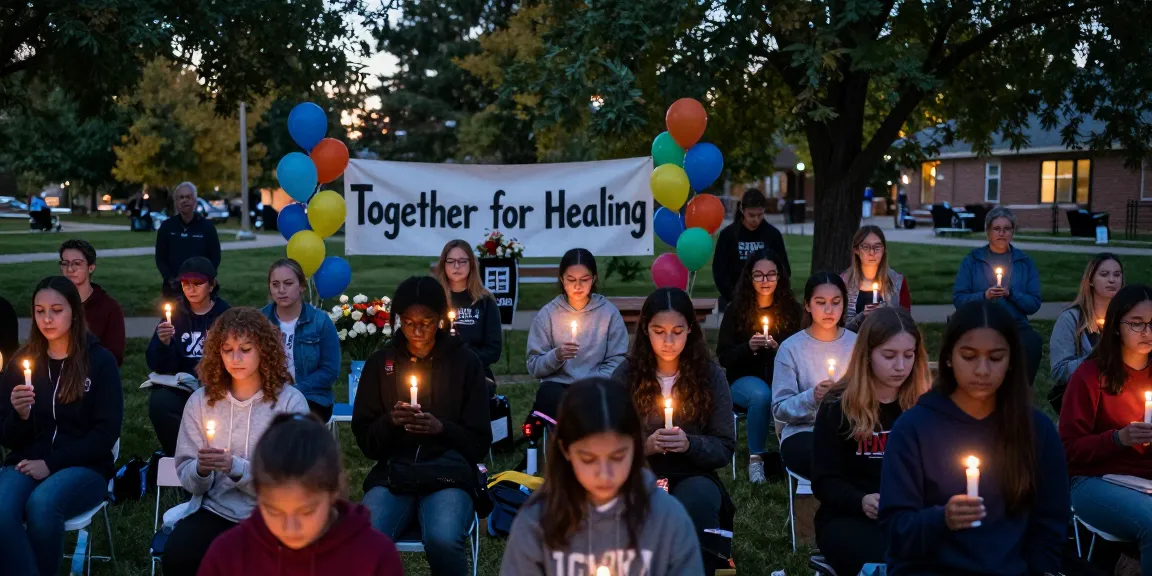
In response to tragic events, communities often organize vigils and support groups to foster healing and solidarity. These initiatives serve as powerful reminders of collective grief and hope, offering a space for individuals to express their feelings and connect with others who share similar experiences. Support groups specifically tailored for survivors, victims' families, and first responders can facilitate essential conversations about the psychological impacts of violence and the importance of mental health accessibility.
Engagement with Local Law Enforcement
Another critical component of community response involves active engagement with local law enforcement. Schools are increasingly collaborating with police departments to enhance safety measures and implement prevention programs. This partnership aims to foster trust between students and law enforcement, thereby reducing stigma and fear regarding police intervention. Moreover, training programs designed for school resource officers educate them on how to approach young individuals sensitively, emphasizing de-escalation and support rather than punitive measures.
Educational Programs on Safety Awareness
Educational initiatives focused on safety awareness have also gained traction. Schools are integrating programs that teach students about emergency preparedness, conflict resolution, and mental health awareness. Through workshops, interactive sessions, and role-playing exercises, students learn to navigate crisis situations and to recognize signs of distress in their peers. These proactive measures are crucial in building a culture of safety and support, ultimately contributing to a reduction in violence.
Advocacy for Legislative Change
Grassroots Movements and Their Impact
Grassroots movements have played a pivotal role in advocating for legislative changes aimed at reducing gun violence in schools. Following notable incidents, students and activists have mobilized to demand stricter gun control measures and enhanced mental health resources. These movements often utilize social media as a powerful tool for raising awareness, organizing protests, and galvanizing public support.
Working with Policymakers for Reform
Engagement with policymakers is essential for translating grassroots advocacy into tangible legislative changes. Collaborating with local and state representatives, community groups can effectively lobby for policies that prioritize school safety. Recent efforts have focused on implementing universal background checks, restricting access to firearms for individuals with a history of violence, and funding mental health initiatives.
Legal Challenges Post-Shooting
The aftermath of a school shooting can also lead to significant legal challenges. Courts often face cases involving negligence, liability, and wrongful death. Families of victims may seek justice through lawsuits against school districts or law enforcement agencies. These legal proceedings frequently draw attention to the inadequacies in safety protocols and the need for comprehensive reforms at both local and national levels.
Cross-Sector Collaboration in Crisis Management
Partnerships Between Schools and Mental Health Organizations
Establishing partnerships between schools and mental health organizations is crucial for the long-term well-being of students. These collaborations can provide schools with access to trained mental health professionals who can offer direct support to students and staff. Early intervention programs that prioritize mental health education and counseling can address issues before they escalate to crisis levels.
The Role of Businesses in Community Healing
Local businesses hold a unique position in contributing to community healing efforts. By sponsoring events, providing financial support for mental health initiatives, and offering training workshops, businesses can play an instrumental role in fostering resilience within the local community. Additionally, by creating safe spaces for dialogue, businesses can help cultivate an environment where community members feel comfortable discussing their experiences and challenges.
Educational Institutions as Safe Havens
As educational institutions navigate the complexities of crisis management, they are increasingly being viewed as safe havens. Schools have the potential to foster supportive environments where students feel secure and valued. Initiatives that promote inclusivity and belonging can significantly impact preventing violence and creating a culture of respect and understanding.
Looking Forward: Trends and Predictions for 2026
Emerging Technologies for School Safety
In the coming years, the role of technology in enhancing school safety is expected to expand dramatically. Innovations such as AI-driven surveillance systems, enhanced communication tools for emergency notifications, and predictive analytics that identify potential threats before they materialize are set to transform how schools approach security. Integrating these technologies into existing safety measures will be paramount in the ongoing fight against school violence.
Future Mental Health Initiatives
As awareness around mental health continues to grow, future initiatives will likely emphasize early intervention and prevention. Schools may implement comprehensive mental health curricula that address emotional literacy, stress management, and coping skills. These programs not only equip students with essential tools but also destigmatize mental health issues, encouraging open discussions and support.
Community Resilience and Growth
Looking ahead, building community resilience post-tragedy will remain a key focus. Platforms that promote collaboration across sectors—education, healthcare, and law enforcement—will be instrumental in fostering a collective approach to prevention and healing. As communities come together to address these challenges, they will not only recover but grow stronger, emerging as models for others facing similar crises.
What are the implications of the Colorado School Shooting for future policies?
The implications of the Colorado School Shooting are vast, stressing the importance of reevaluating existing policies surrounding school safety, mental health funding, and gun control. Stakeholders must comprehend the intersections of these policies to ensure they address the root causes of violence effectively.
How can communities effectively support each other after such tragedies?
Community support following such tragedies can manifest in various ways, from organizing healing events to providing resources for those in need. Establishing strong communication networks can facilitate sharing information and ensuring that everyone knows where to access assistance.
What are the legislative changes being proposed in response?
Proposed legislative changes often focus on increasing funding for mental health services in schools, implementing stricter gun control measures, and addressing the social determinants of violence. Advocacy groups are pushing for comprehensive reforms that engage all stakeholders in the legislative process.
How can local businesses contribute to healing efforts?
Local businesses can contribute significantly by creating community-centric initiatives that provide resources for mental health and safety training. By fostering partnerships with schools and community organizations, they can facilitate meaningful change and support recovery efforts.
What role does mental health play in preventing future incidents?
Mental health is a critical determinant in preventing future incidents of violence. By prioritizing mental health education and creating accessible resources, communities can empower individuals to seek help and support, thus reducing the likelihood of crises from escalating into violence.